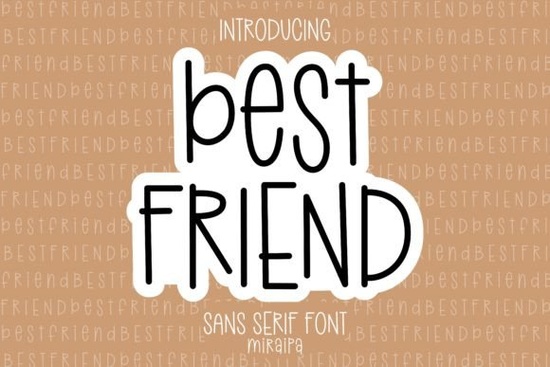
If you're looking for a friendly, approachable sans serif font that works just as well on a handmade greeting card as it does on a printable planner sticker, the Best Friend Font is worth keeping in your design toolkit. It’s not overly decorative or hard to read just warm, slightly bouncy, and quietly confident. Think of it as the kind of typeface you’d choose for a “You’re My Person” mug or a birthday banner for your niece’s tea party. It’s designed with crafters and small creative businesses in mind: clean enough for digital use, expressive enough to feel personal.
When does Best Friend Font work best?
This font shines where warmth and readability matter more than formality. It’s especially popular among planners and journal lovers who want headers or section dividers that feel inviting not stiff. Teachers use it for classroom posters and back-to-school handouts. Wedding stationers pair it with simple line art for rustic-chic invitations. And yes it’s become a quiet favorite for seasonal projects too: Easter egg labels, Halloween treat bags, cozy Fall quote prints, and even Christmas gift tags that avoid looking too commercial.
Because it’s a sans serif with soft curves and gentle proportions, it scales well across sizes. At 12 pt, it’s legible in a digital planner; at 72 pt, it holds up on a large poster or SVG cut file. No awkward spacing issues, no unexpected kerning surprises just consistent, friendly letterforms.
How does it compare to other playful sans serifs?
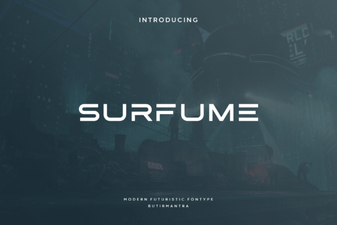
It sits comfortably between ultra-minimal fonts like Surfume Font (which leans more modern and airy) and widely used workhorses like Poppins Font (more neutral, more versatile, but less personality-driven). If you already own Poppins for clean layouts or Surfume for light, breezy headers, Best Friend Font fills a different niche: the one where charm matters as much as clarity.
Unlike script fonts that require careful pairing or display fonts that only work at large sizes, this one plays nicely with others. Try it above a simple serif body font for contrast or layer it with a subtle shadow or outline for a fun DIY sticker effect. It also converts cleanly to vector paths, so if you’re cutting vinyl or designing for Cricut or Silhouette, you won’t lose detail.
Who’s using it right now and how?
A few real examples from Creative Fabrica users:
- A small-batch candle maker uses it for “Best Friend Candle” labels paired with minimalist icons and kraft paper packaging.
- A homeschool mom created a set of printable “Friendship Bingo” cards for her daughter’s virtual class party using Surfume Font for subheaders and Best Friend for the main callouts.
- A wedding designer combined it with floral watercolor elements for “Save the Date” social media graphics keeping text short, upbeat, and easy to scan on mobile.
It’s also common in digital products: Canva templates, Notion dashboard headers, and printable habit trackers where tone matters. One user told us they chose it over other options because “it doesn’t look like it’s trying too hard and my customers notice that.”
What file formats do you get and are they beginner-friendly?
You’ll receive OTF, TTF, and WOFF files, plus a PDF guide with basic installation tips for Mac, Windows, and web use. No extra software needed to start using it. If you’ve ever installed a font before even just double-clicking and hitting “Install” you’re all set. The files load into Cricut Design Space, Silhouette Studio, Adobe Creative Cloud apps, Canva (via upload), and most free tools like Photopea or Gravit Designer.
There’s no license restriction for commercial use either you can sell physical items (like mugs or tote bags) or digital downloads (like printable planners) without needing extra permission. Just keep in mind that you can’t resell or redistribute the font files themselves.
One practical tip before you download
Try pairing Best Friend Font with a simple, high-contrast background first like white text on navy or black text on cream. Its friendliness comes through strongest when it’s not competing with busy textures or clashing colors. Once you’re comfortable with how it behaves at different sizes and weights, then experiment with overlays or color gradients.
If you’re building a small brand or launching a new product line, consider using it consistently across three touchpoints: your logo lockup (even just a wordmark), your Instagram story highlights, and your printable thank-you note. That kind of repetition builds recognition without needing a huge budget or a designer on retainer.
Before installing: Check your system’s font cache (especially on Windows) and restart your design app after adding the files some programs don’t auto-refresh newly added fonts.
Learn More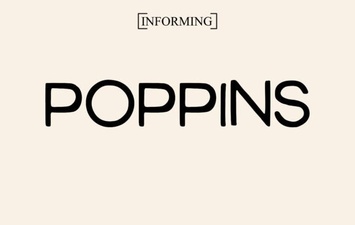 Design with Poppins: Creative Project Ideas
 Surfume Font: Free Retro Wave Script Download
 Baseball Font Ideas for Sports Design Projects
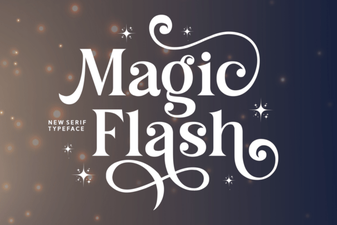 Magic Flash Font for Creative Design Projects
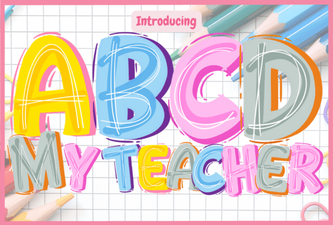 Abcd My Teacher Font for Creative Classroom Projects
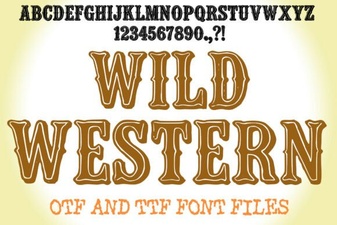 Designing with Vintage Wild Western Font Styles